
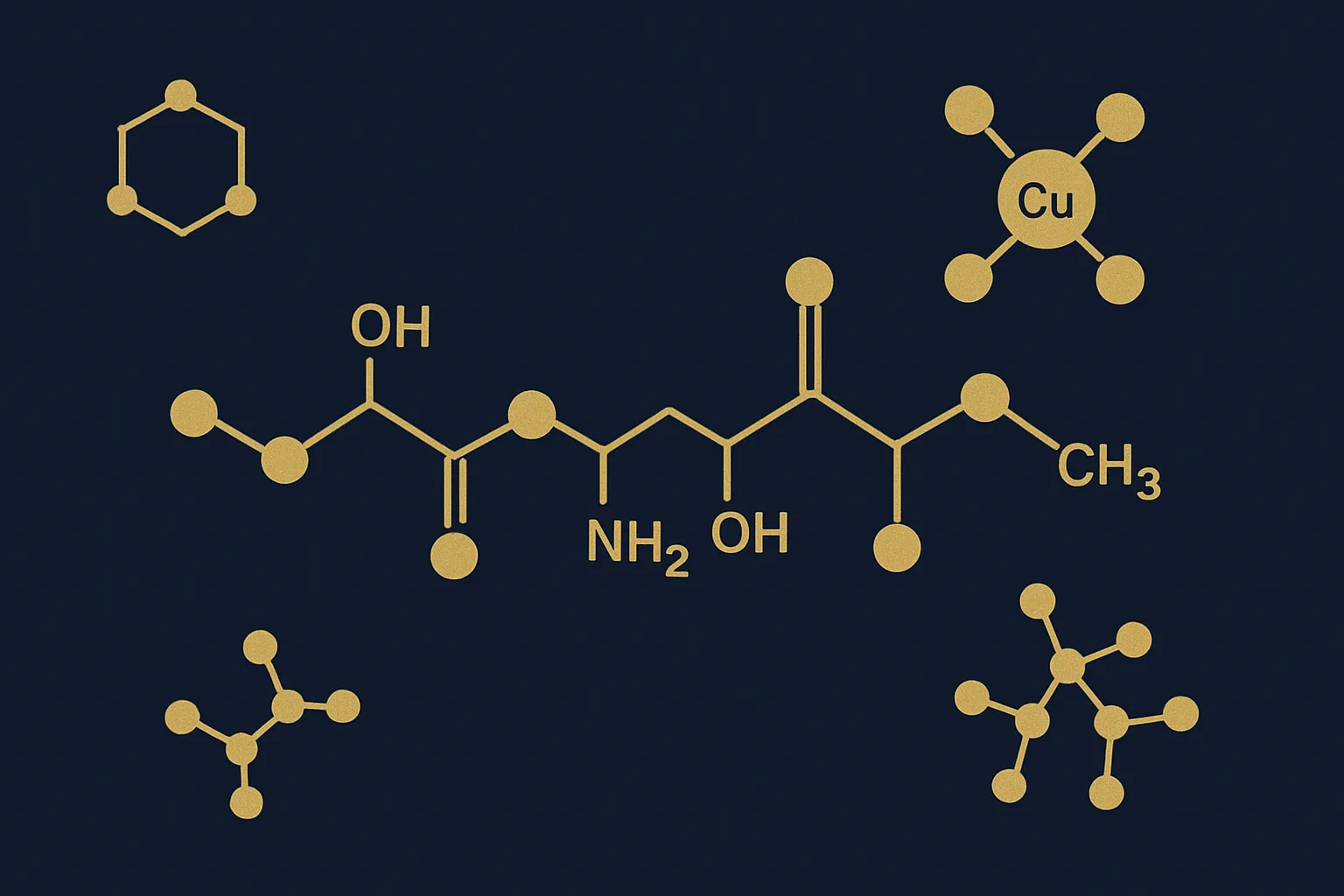
GHK-Cu, a peptide that combines glycine, histidine, and lysine with copper, has attracted the attention of researchers in the field of hair health. This peptide has been studied in preclinical models to evaluate its ability to stimulate hair growth and improve scalp health.
Mechanisms of Action of GHK-Cu in Hair Growth
GHK-Cu binds to stem cell receptors in hair follicles and may promote cell proliferation and fibroblast migration, which are essential for healthy hair growth. In studies conducted in cell cultures and animal models, GHK-Cu has been shown to:
- Increase protein synthesis: This peptide stimulates the production of various proteins that are fundamental for the structure and function of hair.
- Stimulate angiogenesis: GHK-Cu may promote the formation of new blood vessels, thereby improving circulation in the scalp and providing essential nutrients to hair follicles.
- Reduce inflammation: Its anti-inflammatory capacity could contribute to a healthier environment for hair growth.
Relevant Studies on GHK-Cu and Hair Growth
Various studies in preclinical models have shown promising results. In one of these studies, GHK-Cu was administered to mice with alopecia, resulting in a significant increase in the number of hair follicles compared to the control group. Researchers observed that GHK-Cu not only stimulated hair growth but also improved hair quality.
Another study conducted in dermal cell cultures showed that GHK-Cu increased the proliferation of keratinocytes, the cells responsible for hair and skin formation. These findings suggest that GHK-Cu could play an important role in regulating the hair cycle.
Conclusions on GHK-Cu in Hair Health
Although the results are promising, it is important to remember that GHK-Cu is a peptide for research use only and further research is needed to establish its efficacy and safety in clinical applications. Current studies in preclinical models are an important step toward understanding how this peptide may influence hair health and its potential as a research into alopecia and other hair disorders.
In conclusion, GHK-Cu presents interesting mechanisms that suggest its capacity to stimulate hair growth in preclinical models. However, further research is required to confirm these effects and explore its application in the field of dermatology.