
Health & Peptide Science
Health articles
Analysis of peptide mechanisms, preclinical findings, and the quality parameters that make research material usable.
53 articles
Foundations of Peptide Research Methodology: Documentation Standards, Quality Parameters, and Protocol Design Principles
Systematic peptide research demands compound characterization by LC-MS/MS and HPLC-UV, pre-registered protocols, lot-traceable sourcing, and ICH-compliant data documentation before any biological interpretation is warranted.
Sex-Specific Peptide Research: Hormonal Interactions, GH Axis Differences, and Female-Specific Preclinical Model Data
Biological sex introduces systematic variability in GH secretory dynamics, peptide receptor expression, and pharmacokinetic parameters that must be accounted for in preclinical model selection and clinical trial stratification.
Media Attention and Peptide Research Integrity: Distinguishing Clinical Evidence from Anecdote in Public Discourse
Viral attention to peptide compounds frequently precedes rigorous clinical data; researchers and clinicians must apply structured evidence appraisal frameworks to evaluate claims circulating in lay and professional media.
Peptides in Integrative Clinical Research: Protocol Design, Biomarker Selection, and Evidence Standards
Rigorous protocol architecture, pre-specified biomarker endpoints, and GRADE-aligned evidence synthesis are prerequisites for peptide research that withstands peer review and regulatory scrutiny.
Nutritional Context in Peptide Research: Amino Acid Availability, mTORC1 Signaling, and Synergistic Research Designs
Analysis of the impact of nutritional context on research peptide pharmacology: mTORC1 status (leucine availability, PI3K/Akt signaling), copper/zinc interactions with GHK-Cu, niacin status with NAD+, omega-3 as confounder in inflammatory endpoints.

Sleep Architecture Research and Peptides: DSIP, GH Pulsatility During SWS, and GABAergic Neuropeptide Studies
Analysis of peptides in sleep research: DSIP (GABAergic pharmacology, Russian clinical evidence), GH-SWS coupling and GHRH/GHRP analogues, Selank (GABA-A modulation, rodent EEG data), and polysomnography design for research protocols.

Peptides in Sports Medicine Research: Musculoskeletal Repair Mechanisms, WADA Status, and Documented Preclinical Data
Analysis of peptide evidence in sports medicine: BPC-157 and TB-500 (VEGF/FAK and G-actin pathways), WADA 2024-2026 prohibited list status (S2.4), GH axis peptides (Ipamorelin, CJC-1295, Sermorelin), and preclinical protocol design considerations.
2026 Research Priorities: GLP-1/GIP Triple Agonists, Mitochondria-Targeting Peptides, and Telomerase Activators
Review of the three peptide research priorities for 2026: GLP-1R/GIP-R/GCG-R triple agonism (Retatrutide, AMG 133, Mazdutide), mitochondria-targeting peptides (SS-31/Elamipretide, SLU-PP-332), and telomerase activators (Epitalon) with critical evidence assessment.
Translational Peptide Research: From Preclinical Models to Phase 3 Trials — Timeline, Barriers, and Active Development Programmes
Analysis of the translational peptide pipeline: typical IND-to-approval development timeline (8-15 years), key barriers (oral bioavailability, serum stability, immunogenicity), and active development programmes 2025-2026.

Peptide Compounding: 503A vs. 503B Designations, USP <797> Compliance, and the Current Regulatory Debate
Analysis of peptide compounding regulatory framework: 503A/503B differences, USP <797> compliance parameters (sterility testing, endotoxin, BUD), GLP-1R agonist restriction debate, and research distribution boundaries.
CoA Interpretation for Research Peptides: Identity, Purity, Bioburden, Endotoxin, and Counterion Specifications
Complete guide for researchers on interpreting research peptide certificates of analysis (CoA): identity confirmation by MS, purity determination by HPLC-UV, endotoxin by LAL, water content by Karl Fischer, and counterion specification.
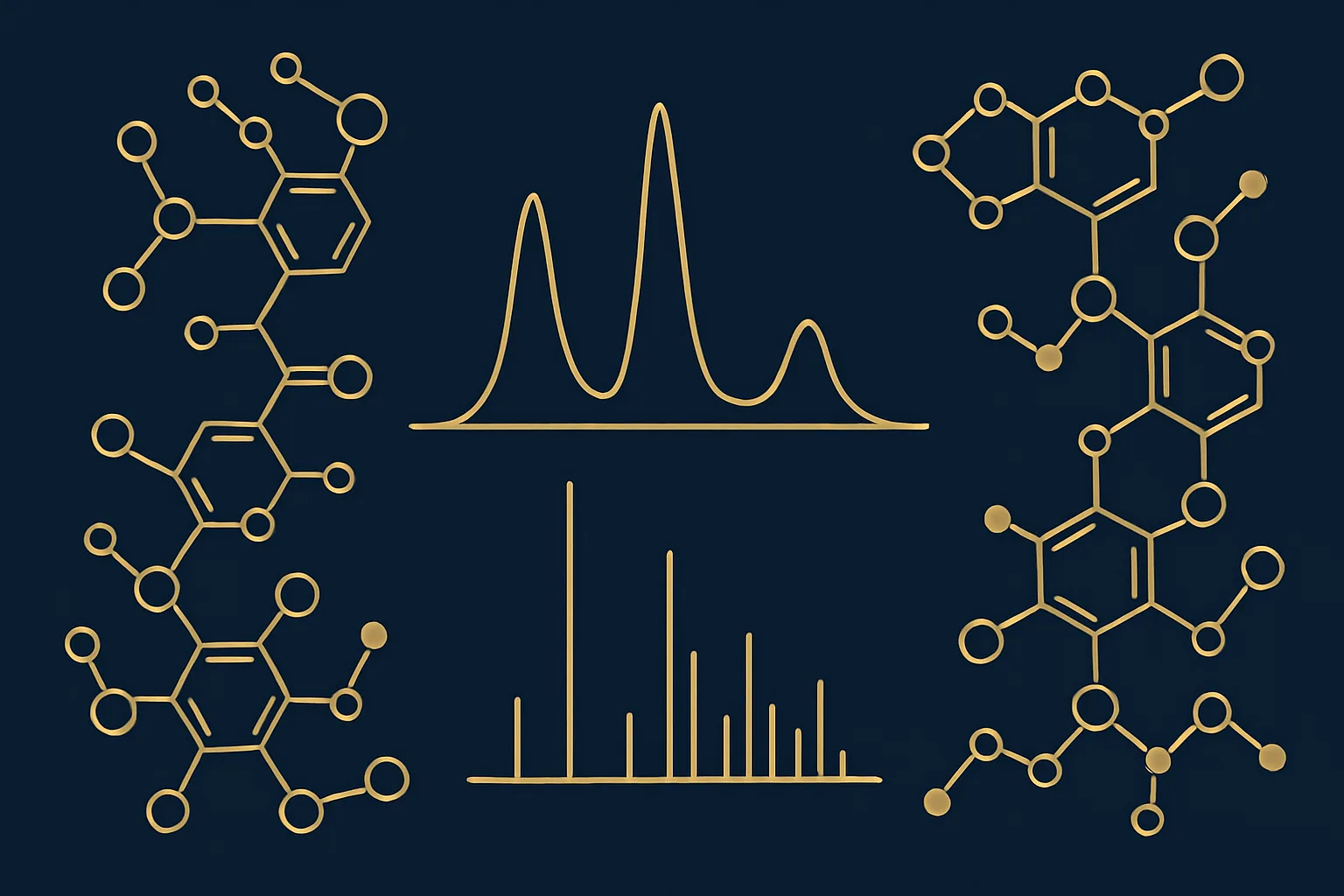
HPLC-UV and LC-MS/MS in Peptide Quality Control: Purity Determination, Identity Confirmation, and Related Substance Profiling
Detailed HPLC-UV and LC-MS/MS methodology for research peptide quality control: column parameters, gradient conditions, purity quantification, sequence confirmation by MS/MS, and related substance profiling.

Research-Grade Peptide Classification: Regulatory Definitions, CoA Requirements, and Distribution Compliance Frameworks
Regulatory framework for research-grade peptides: legal definition of 'for research use only', minimum CoA requirements (identity by MS, purity by HPLC-UV, endotoxin by LAL, water by Karl Fischer), and distribution compliance considerations.
Critical Appraisal of Peptide Research Literature: Study Design Hierarchy, Confounders, and Evidence Quality Scoring
Methodological guide for researchers on critically appraising peptide studies: evidence hierarchy (RCT vs. preclinical), common biases, endpoint evaluation, CoA interpretation, and statistical considerations.

Peptides in Clinical Development: Phase 1-3 Pipeline, Endpoint Design, and Key Regulatory Milestones
Overview of peptide clinical development: Phase 1-3 trial design, primary/secondary endpoint selection criteria, FDA/EMA regulatory milestones, and the current therapeutic peptide pipeline.
FDA Regulatory Framework for Research Peptides in 2026: 503A/503B Compounding, GLP-1 Scheduling, and Research-Use Documentation
Analysis of FDA's regulatory framework for research peptides in 2026: 503A/503B designations, the GLP-1R agonist transition from Candidate List to Category 1, and documentation requirements for research distributors.
Cognitive Research Stack: Selank + NAD+ — GABAergic Modulation and NAD+-Dependent Neuronal Energy Research
Analysis of Selank (tuftsin-analogue heptapeptide with GABAergic modulation and BDNF induction) and NAD+ (SIRT1/3 sirtuins, neuronal mitochondrial biogenesis, CD38 pathway) as a research combination in preclinical cognitive models.
Metabolic Stack: Peptide Combinations in Metabolic Research — GLP-1R/GIP-R Agonism, Lipolytic Agents, and Mitochondrial Activators
Pharmacological analysis of metabolic peptide combinations: dual GLP-1R/GIP-R agonism (Tirzepatide, Retatrutide), lipolytic fragments (AOD-9604), and exercise mimetics (SLU-PP-332) in adiposity and mitochondrial function research models.
GHK-Cu + NAD+: Convergent Pathways in Cellular Senescence Research, Collagen Matrix Maintenance, and Metabolic Homeostasis
Analysis of GHK-Cu (MMP/TIMP modulation, TGF-β1 activation) and NAD+ (sirtuin substrate, PARP1-mediated DNA repair) as a research combination in cellular senescence and metabolic homeostasis models.
BPC-157 + TB-500 + GHK-Cu: Mechanistic Complementarity in Tissue Repair, Angiogenesis, and Matrix Remodeling
Mechanistic analysis of BPC-157 (VEGF/FAK signaling), TB-500 (G-actin regulation, cell migration), and GHK-Cu (collagen synthesis, metalloproteinases) as a research combination in preclinical tissue repair models.

Documented Synergies in Peptide Research: Complementary Mechanisms, Timing Rationale, and Stack Evidence Quality Assessment
Three evidence quality tiers for peptide synergy: Tier 1 (formal CI analysis, BPC-157+TB-500 CI~0.72 in wound models), Tier 2 (mechanistic plausibility without CI analysis), Tier 3 (rationale only). Timing considerations for wound repair stacks and combination evaluation framework.
Peptide Combination Research: Pharmacokinetic Interactions, Receptor Competition, and Evidence for Synergistic Models
Framework for peptide combination research design: pharmacokinetic interactions (DPP-IV, neprilysin), receptor competition analysis (full vs partial agonists at shared receptor), and methodology for distinguishing additivity from synergy using Loewe combination index (CI) analysis.

GLOW Formulation: GHK-Cu + TB-500 + BPC-157 — Overlapping Angiogenic and Collagen Remodeling Pathways
GHK-Cu activates VEGF via Sp1, TB-500 via ILK/Akt/HIF-1α, and BPC-157 via eNOS/NO/PHD—creating a three-node angiogenic convergence. GHK-Cu balances MMP-1/TIMP and promotes collagen deposition; BPC-157 reinforces collagen biomechanical maturation via FAK/paxillin; TB-500 promotes endothelial and fibroblast migration via actin sequestration.
KLOW Formulation: KPV + GHK-Cu + TB-500 + BPC-157 — Mechanistic Rationale for Combinatorial Anti-Inflammatory and Repair Research
KPV inhibits NF-κB/ERK through intracellular penetration; GHK-Cu activates collagen synthesis via Sp1/MMP balance; TB-500 promotes migration and angiogenesis via actin sequestration/ILK/VEGF; BPC-157 activates FAK/Egr-1/eNOS. Combinatorial analysis evaluates anti-inflammatory redundancy and angiogenic convergence.
Melanocortin System Neuroanatomy: MC3R/MC4R Distribution, Second Messenger Cascades, and PT-141 Receptor Pharmacology
Detailed review of MC3R and MC4R neuroanatomical distribution in hypothalamic and limbic circuits, cAMP/PKA/CREB cascades downstream of receptor activation, and PT-141's pharmacological profile as a partial MC4R agonist with ~4-fold MC4R/MC3R Ki selectivity ratio.

Telomere Dynamics and Peptide Research: Epitalon, TERT Activation, and Telomerase-Directed Approaches
Review of telomere structure, the terminal replication problem, Epitalon's TERT activation mechanism (H3K9me3/H3K4me3 histone changes at the TERT promoter, TRAP assay, in vitro replicative lifespan extension), and telomeric heterochromatin maintenance via the SIRT6/NAD+ axis.
GABAergic and Serotonergic Modulation by Neuropeptides: Selank, Semax, and DSIP in Preclinical Anxiety Models
Selank indirectly modulates GABA-A through enkephalin aminopeptidase inhibition, Semax activates serotonergic turnover secondary to BDNF/TrkB, and DSIP modulates NMDAR and the HPA axis in preclinical anxiety models with EPM, Vogel, and SIH-specific parameters.

Neuropeptide Neurotransmission: Synthesis, Release, Receptor Specificity, and Research Differentiation from Classical Neurotransmitters
Neuropeptides are distinguished from classical neurotransmitters by dense-core vesicle synthesis, high-frequency release requirements, volume transmission, and exclusively GPCR signaling. Analysis of POMC processing, Y1R/Y2R/MC4R receptors, and research parameters.
Mitochondrial NAD+ Pools, Complex I Function, and Peptide Research Targeting the NAMPT/NMNAT Axis
Mitochondrial NAD+ pools are regulated by NMNAT3, distinct from cytoplasmic pools. Complex I requires NAD+ as hydride acceptor; its aging dysfunction links to NAMPT decline and PARP-1/CD38 substrate competition.

Longevity-Associated Peptides in 2026 Research: Telomerase Activation, Senolytic Mechanisms, and NAD+ Biology
Review of peptides with preclinical evidence across multiple aging pathways: Epitalon and TERT activation, SS-31 and mitochondrial preservation, BPC-157 and senescence reduction, and the role of NAD+ in SIRT6-mediated telomeric maintenance.
Peptides in Cognitive Research: BDNF/TrkB Signaling, Neuroplasticity Markers, and Preclinical Nootropic Data
Review of how peptides including Selank, Semax, BPC-157, and GHK-Cu modulate BDNF/TrkB signaling, induce neuroplasticity markers (Arc, synapsin-1, GluA1), and perform in preclinical memory models including MWM, NOR, and passive avoidance.
Selank vs Semax: Comparative Neuropeptide Profiles, Receptor Targets, and Cognitive Research Differentiation
Selank modulates GABA-A and induces BDNF; Semax activates ACTH/melanocortin pathways with effects on BDNF, dopamine, and hippocampal plasticity. Mechanistic comparison, anxiety vs cognition research models, and experimental parameters.

NAD+ Decline and Cellular Senescence: Hallmarks of Aging, Sirtuin Deacylation, and PARP-1/CD38 NAD+ Consumption Dynamics
NAD+ decline during aging is driven by hyperactivated PARP-1 (DNA damage repair), inflammatory CD38 overexpression, and NAMPT reduction, with consequences on SIRT1-7 activity that accelerate cellular aging hallmarks.

Bremelanotide (PT-141): MC3R/MC4R Agonism, Dopaminergic Pathway Activation, and Central Arousal Research Models
Bremelanotide is a melanocortin agonist with preferential selectivity for MC3R and MC4R that activates mesolimbic dopaminergic circuits in the medial preoptic area and hypothalamus, with preclinical data in central arousal models without direct peripheral action.
Selank (Thr-Lys-Pro-Arg-Pro-Gly-Pro): GABA-A Modulation, BDNF Upregulation, and Anxiolytic Mechanism Research
Selank is a synthetic heptapeptide derived from tuftsin that modulates the GABA-A receptor, induces BDNF upregulation via TrkB, and demonstrates anxiolytic effects without sedation in rodent preclinical models with a profile distinct from benzodiazepines.
NAD+ (Nicotinamide Adenine Dinucleotide): Biosynthesis Pathways, CD38 Consumption, SIRT1-7 Activation, and Research Formulations
Review of the three NAD+ biosynthesis pathways (Preiss-Handler, Kynurenine, Salvage), CD38 as principal NAD+ consumer, and how NAD+ availability modulates SIRT1-7 sirtuins in preclinical aging and metabolic research models.

Hypothalamic Appetite Regulation: NPY/AgRP vs POMC/CART Circuitry and Peptide Intervention Research Targets
Analysis of the orexigenic NPY/AgRP and anorexigenic POMC/CART circuits in the arcuate nucleus, reviewing how GLP-1R, MC4R, and GHS-R1a are modulated by peptides in preclinical weight regulation research.
Exercise-Mimetic Compounds: ERR Agonism (SLU-PP-332), AMPK Activation, and Metabolic Reprogramming Research
SLU-PP-332 functions as a pan-ERR agonist activating ERRα/β/γ, mimicking endurance exercise adaptations via PGC-1α, fatty acid oxidation, and mitochondrial biogenesis in preclinical models.
Peptides and Mitochondrial Biogenesis: MOTS-c, SS-31, and PGC-1α/TFAM Signaling Cascade Research
Mechanistic analysis of how MOTS-c and SS-31 modulate mitochondrial biogenesis through PGC-1α, TFAM, and AMPK activation in preclinical models.

Visceral Adipose Tissue Biology and Peptide Research Targets: Portal Adipokines, Insulin Resistance Pathways, and Depot-Specific GLP-1R Expression
Mechanistic comparison of VAT vs SAT: transcriptome-level depot differences (622 differentially expressed genes), adiponectin secretion deficiency in VAT (2.3-fold lower), PAI-1 hypersecretion (3.4-fold higher), CD68+ macrophage infiltration quantification, IL-6/TNF-α/MCP-1 cytokine profiling from SVF, GLP-1R protein density depot asymmetry (68% vs 31% adipocyte positivity), and portal FFA flux data from splanchnic catheterization studies.

Molecular Mechanisms of Peptide-Induced Lipolysis: HSL/ATGL Cascade, Perilipin-1 Phosphorylation, and cAMP/PKA Signaling in Adipocytes
Complete molecular dissection of peptide-induced adipocyte lipolysis: cAMP production kinetics (7-fold elevation at 5 min, PDE3B decay), PLIN1 Ser522 phosphorylation as rate-limiting CGI-58 release step (SILAC quantification: 8.2-fold), HSL Ser660-dependent translocation (78% droplet co-localization), NEFA flux in human primary omental adipocytes (168 µmol/g/hr), and comparative entry-point analysis for AOD-9604, tesamorelin, and GLP-1R agonists.

AOD-9604 vs Full-Length hGH: Adipocyte-Selective β3-AR Interactions vs Systemic GHR Signaling — Differentiated Metabolic Profiles
Mechanistic comparison of AOD-9604 and full-length hGH: GHR displacement assay confirming >12,500-fold selectivity differential, comparative glycerol release dose-response in 3T3-L1 adipocytes, depot-selective DEXA fat mass data in Zucker rats, insulin tolerance testing showing divergent HOMA-IR profiles, and onset kinetics distinguishing direct cAMP signaling from transcription-dependent GHR pathway.

GLP-1 Receptor Agonism: From Incretin Biology to Dual/Triple Agonist Development — Receptor Pharmacology and Clinical Research Outcomes
Class B GPCR structural pharmacology of GLP-1R: cryo-EM resolved Gαs engagement mechanism, cAMP EC₅₀ in MIN6 β-cells, depot-specific GLP-1R/GIP-R expression asymmetry in VAT vs SAT, super-additive GSIS with tirzepatide, β-arrestin recruitment BRET data, and VAT reduction quantification in DIO models with GLP-1R/GIP-R/GCG-R triple agonism.
Peptide Mechanisms in Lipolysis Research: HSL/ATGL Activation, β3-AR Signaling, and Adipocyte-Selective Research Targets
Mechanistic analysis of the adipocyte lipolytic cascade: quantitative HSL phosphorylation at Ser563/Ser660, perilipin-1 gatekeeper function for ATGL lipid droplet access, and depot-specific β3-AR signaling profiles. NEFA flux data (µmol/L) and mitochondrial respirometry (JO2) from 3T3-L1 and human primary adipocyte models.
Cosmetic Peptides vs Research Peptides: Key Differences
This article explores the key differences between cosmetic peptides and research peptides, focusing on their applications and characteristics. The use of GHK-Cu in preclinical models and its relevance in skin aging research is discussed.
Hydrolyzed Collagen vs Bioactive Peptides: Which is More Effective?
This article compares hydrolyzed collagen and bioactive peptides, focusing on their effectiveness in preclinical models. Through a review of the scientific literature, their mechanisms of action and applications in research are explored.
cellular longevity Peptides: The Science Behind Wrinkle Reduction
Cellular longevity peptides have garnered attention in research for their potential to reduce wrinkles and improve skin health. In this article, we explore the science behind GHK-Cu and its impact on collagen production in preclinical models.
Melanotan II: Research on Pigmentation and Melanocortin Receptors
Melanotan II is a peptide investigated for its potential in regulating skin pigmentation through melanocortin receptors. This article will explore its mechanisms of action and relevance in preclinical research models.
GHK-Cu and Hair Health: Can It Stimulate Hair Growth?
The peptide GHK-Cu has been the subject of various investigations in preclinical models for its potential in hair health. This article explores the relationship between GHK-Cu and hair growth, analyzing the mechanisms involved and relevant findings in research.

Tesamorelin vs Sermorelin: Structural Stability, GHRH-R Binding Kinetics, and Comparative Pharmacokinetic Profiles
Mechanistic comparison of tesamorelin and sermorelin: trans-3-hexenoyl structural modifications conferring DPP-IV stability, GHRH-R binding kinetics, comparative pharmacokinetic parameters (t½, bioavailability, Cmax), and GH AUC response in research models.
IGF-1 Axis Activation via GH Secretagogues: Hepatic IGF-1 Synthesis, IGF-1R/IRS-1 Signaling, and Anabolic Research Models
Analysis of GH-mediated hepatic IGF-1 synthesis: JAK2/STAT5b signaling, IGF-1R/IRS-1/PI3K/Akt/mTOR activation, inhibitory feedback on the GH axis, and percentage IGF-1 change data in preclinical research models.

Endogenous GH Regulation: GHRH/Somatostatin Balance, Sleep Architecture, and Pharmacological Research Targets
Analysis of hypothalamo-pituitary GH regulation: the GHRH/somatostatin axis, SSTR1-5 receptor subtypes, slow-wave sleep coupling with GH pulses, and pharmacological targets relevant to secretagogue research.

CJC-1295 + Ipamorelin: Synergistic GHRH/GHS-R1a Dual Axis Stimulation and Mechanistic Research Rationale
Mechanistic analysis of CJC-1295 and ipamorelin co-administration: convergence at the somatotroph, cAMP/PKA/CREB signaling, somatostatinergic tone modulation, and comparative pharmacokinetic data for preclinical research models.