
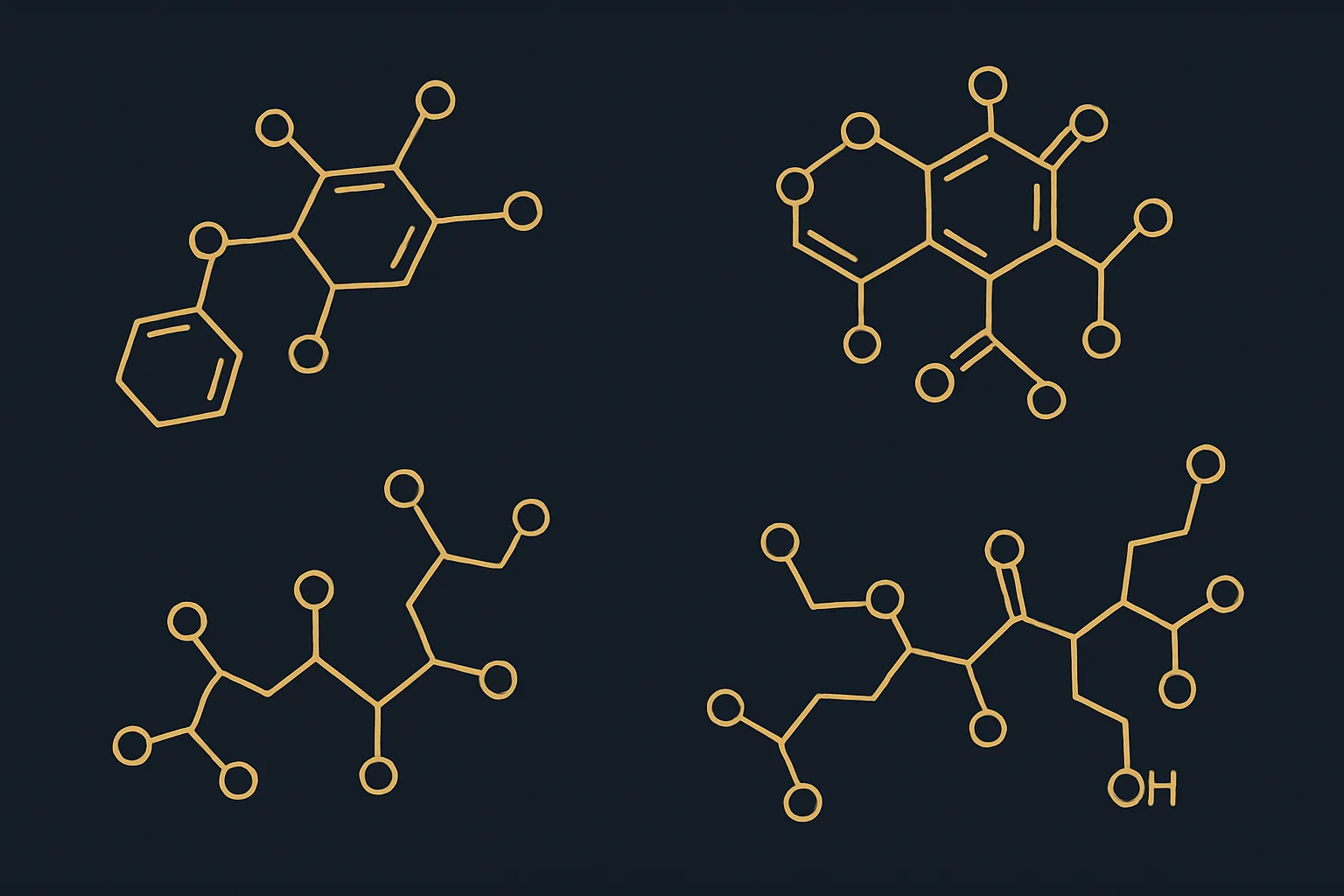
KLOW (KPV + GHK-Cu + TB-500 + BPC-157) is a combinatorial peptide formulation designed around complementary anti-inflammatory and tissue repair mechanisms. Each component targets distinct molecular pathways; their combination is intended to address redundant resolution pathways and avoid single-node pharmacological bottlenecks. This article examines the mechanistic rationale for combining these four peptides, identifies the molecular pathways each engages, and reviews preclinical evidence supporting the combinatorial approach.
KPV (Lys-Pro-Val): α-MSH C-Terminus and Anti-Inflammatory Mechanism
KPV is the C-terminal tripeptide of α-MSH, retaining the anti-inflammatory activity of the parent peptide without the melanocortin receptor-mediated pigmentation effects of α-MSH's N-terminal domain. KPV's anti-inflammatory mechanism involves: (1) NF-κB pathway suppression—KPV inhibits IκBα phosphorylation and subsequent nuclear translocation of the p65 NF-κB subunit in LPS-stimulated macrophages (RAW264.7), reducing TNF-α, IL-6, and IL-1β mRNA by approximately 40–60% versus LPS control at 1–10 µM concentrations; (2) MAPK/ERK inhibition—KPV at 10 µM inhibits ERK1/2 phosphorylation (Thr202/Tyr204) by ~35% in LPS-challenged colonic epithelial Caco-2 cells; (3) direct intracellular penetration—KPV has been shown to enter cells and localize to cytoplasm and nucleus by fluorescence microscopy (FITC-KPV), where it may directly interact with NF-κB subunits independent of surface receptor binding, explaining activity in receptor-knockout models.
GHK-Cu (Copper Tripeptide-1): Wound Healing and Fibroblast Modulation
GHK-Cu (Gly-His-Lys with copper chelation) drives collagen synthesis, angiogenesis, and anti-inflammatory gene expression via multiple pathways. At the transcriptional level, GHK-Cu activates Sp1 binding to GHK-responsive elements in the promoter regions of collagen type I (COL1A1, COL1A2), fibronectin, and VEGF genes. In dermal fibroblast cultures, 10 nM GHK-Cu increases collagen synthesis by ~70% (hydroxyproline assay, 72h) and decreases MMP-1 (collagenase) expression by ~50%, shifting the MMP/TIMP balance toward tissue preservation. Anti-inflammatory contribution: GHK-Cu reduces TNF-α-induced IL-6 production in human fibroblasts by ~45% (ELISA, 24h) and downregulates TGF-β1-induced fibronectin (a marker of fibrotic response) by ~30%. The copper component is critical: copper-free GHK loses approximately 50% of the collagen-promoting activity, confirming the metal-mediated transcriptional mechanism.
TB-500 (Thymosin Beta-4 Fragment): Actin Sequestration, Migration, and Angiogenesis
TB-500 is a synthetic analog of the LKKTETQ actin-binding sequence from thymosin beta-4 (Tβ4). By sequestering G-actin (monomeric actin), TB-500/Tβ4 promotes cell migration by reducing intracellular actin polymerization that would impede lamellipodia formation. In scratch assay models (HUVECs), TB-500 at 100 ng/mL increases wound closure rate by approximately 40–50% compared to vehicle control at 24h. TB-500's angiogenic mechanism involves VEGF upregulation: in ischemic myocardial models (rat LAD ligation), Tβ4 administration increased VEGF protein expression ~1.6-fold and capillary density in infarct border zone ~35% versus control. TB-500 also activates the ILK (integrin-linked kinase)/Akt pathway, increasing cell survival signaling in hypoxic microenvironments—relevant for repair at ischemic wound margins.
BPC-157: Systemic Repair and Multi-Organ Cytoprotection
BPC-157 (Gly-Glu-Pro-Pro-Pro-Gly-Lys-Pro-Ala-Asp-Asp-Ala) activates FAK/paxillin and Egr-1 (early growth response protein 1) transcription factor pathways, driving expression of growth factors including EGF, FGF, and VEGF. BPC-157 also activates NO (nitric oxide) synthesis via eNOS upregulation, explaining its cytoprotective effects in gastrointestinal mucosa (NSAID-induced ulcer models), which depend on mucosal blood flow. In rat tendon and ligament healing models, BPC-157 (10 µg/kg/day SC) accelerates collagen fiber formation as assessed by histomorphometry and biomechanical tensile strength at 4 weeks—complementing TB-500's migration-promoting role. The anti-inflammatory contribution of BPC-157 includes suppression of NF-κB (distinct pathway from KPV), reduction in PGE2 and COX-2 expression in inflammatory models.
Combinatorial Rationale and Research Design
- Mechanistic redundancy: KPV and BPC-157 both suppress NF-κB but through distinct upstream mechanisms (IκBα phosphorylation inhibition vs Egr-1 activation); additive suppression without pathway saturation
- Angiogenic convergence: GHK-Cu (VEGF transcription via Sp1), TB-500 (VEGF upregulation via ILK/Akt), and BPC-157 (VEGF via eNOS/NO) collectively activate multiple angiogenic nodes
- Dose ranges: KPV 0.1–10 µM in vitro; GHK-Cu 1–100 nM; TB-500 50–500 ng/mL; BPC-157 1–100 µg/kg SC in vivo
- Key endpoints: NF-κB reporter assay, cytokine panel (TNF-α, IL-6, IL-10), VEGF ELISA, collagen synthesis (hydroxyproline), wound closure (scratch/migration), histomorphometry
- Purity standard: HPLC >99%, lot-traceable CoA for all components; combined formulation stability requires lyophilized storage at −20°C
All compounds described are for laboratory and research use only. They are not approved for therapeutic, diagnostic, or clinical use in humans. Combinatorial peptide research requires individual component controls to attribute observed effects to specific peptides.